About DataONE
Enabling new science and knowledge creation through universal access to data about life on earth and the environment that sustains it
DataONE is a community driven program providing access to data across multiple member repositories, supporting enhanced search and discovery of Earth and environmental data. DataONE promotes best practices in data management through responsive educational resources and materials. We envision researchers, educators, and the public using DataONE to better understand and conserve life on earth and the environment that sustains it.
Over a decade of data science and education
DataONE’s network growth
2025 marked a milestone year for DataONE, with the largest period of growth in the network’s history. Ten new projects and organizations joined the network which strengthened the community and expanded the range of available data.

DataONE welcomes the Smithsonian
The Smithsonian partners with DataONE for the launch of the Smithsonian Data Research Repository, intended to facilitate open and discoverable reuse of Smithsonian research data products.

Building open geospatial infrastructure for Greenland research
QGreenland-Net brings together the QGreenland team at the University of Colorado, Boulder, the Arctic Data Center, and DataONE to develop shared tools, connected infrastructure, and scalable workflows for geospatial data. Together, this collaboration supports building a Greenland-focused geoscience data catalog that improves data discovery, processing, and reuse.

ESIP Endorses Guidance For Science On Schema.org Metadata
Following ESIP’s endorsement of science-on-schema.org guidance, DataONE adopted schema.org metadata as a method to streamline onboarding new data repositories.
DataONE Community Meeting
DataONE plans and prepares for transition from NSF funding to new sustainable model.

DataONE launches new website
DataONE upgrades the website with a new look to improve usability and help users navigate through the network more efficiently and discover data more easily.

New leadership transition
A new management team is formed and administrative oversight of DataONE begins transition to the National Center for Ecological Analysis and Synthesis at UC Santa Barbara.
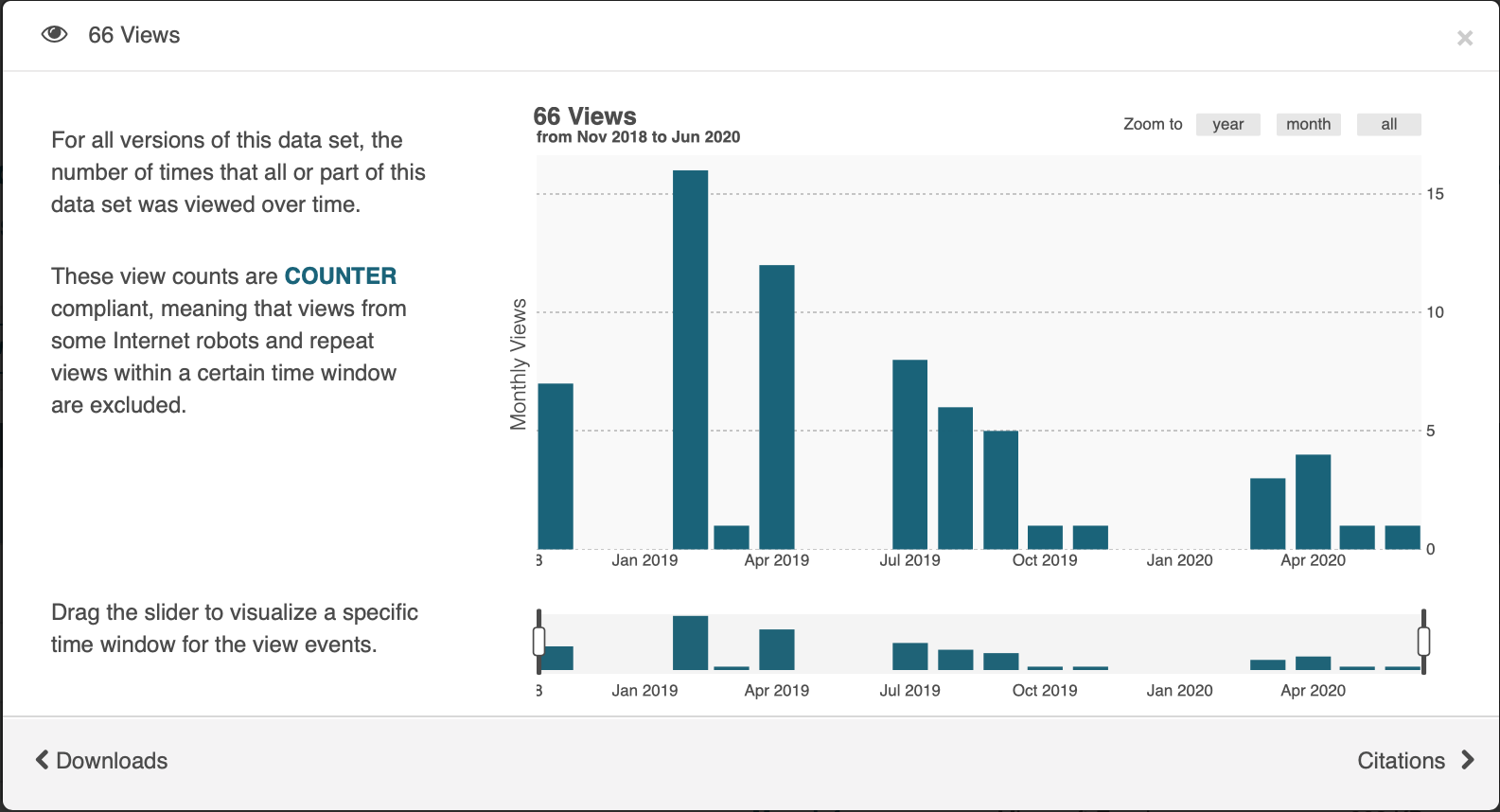
Implementation of standardized data usage and citation metrics
DataONE launches metrics visualizations for datasets through the search and discovery platform, https://search.dataone.org. These standardized metrics include live counts of citations, downloads, and views for each dataset in the network.
Continued investment in data level metrics: Make Data Count
The Alfred P. Sloan Foundation has made a 2-year, $747K award to DataONE, the California Digital Library and DataCite to support collection of usage and citation metrics for data objects, building on pilot work funded by the National Science Foundation.

DataONE welcomes its first South American Member Repository
DataONE welcomes the Program for Research on Biodiversity (PPBio) Western Amazon as its first Member Repository in South America.
DataONE collaborates with NCEAS and NCEI on new award
NSF funds NCEAS to develop and curate Arctic research data within the newly established Arctic Data Center. DataONE and NCEI serves as preservation partners in the cooperative award.
ORCiDs, Metrics and Profile Pages
With integration of ORCiDs, users of DataONE can now access detailed metrics on their uploaded data through our data profiles.
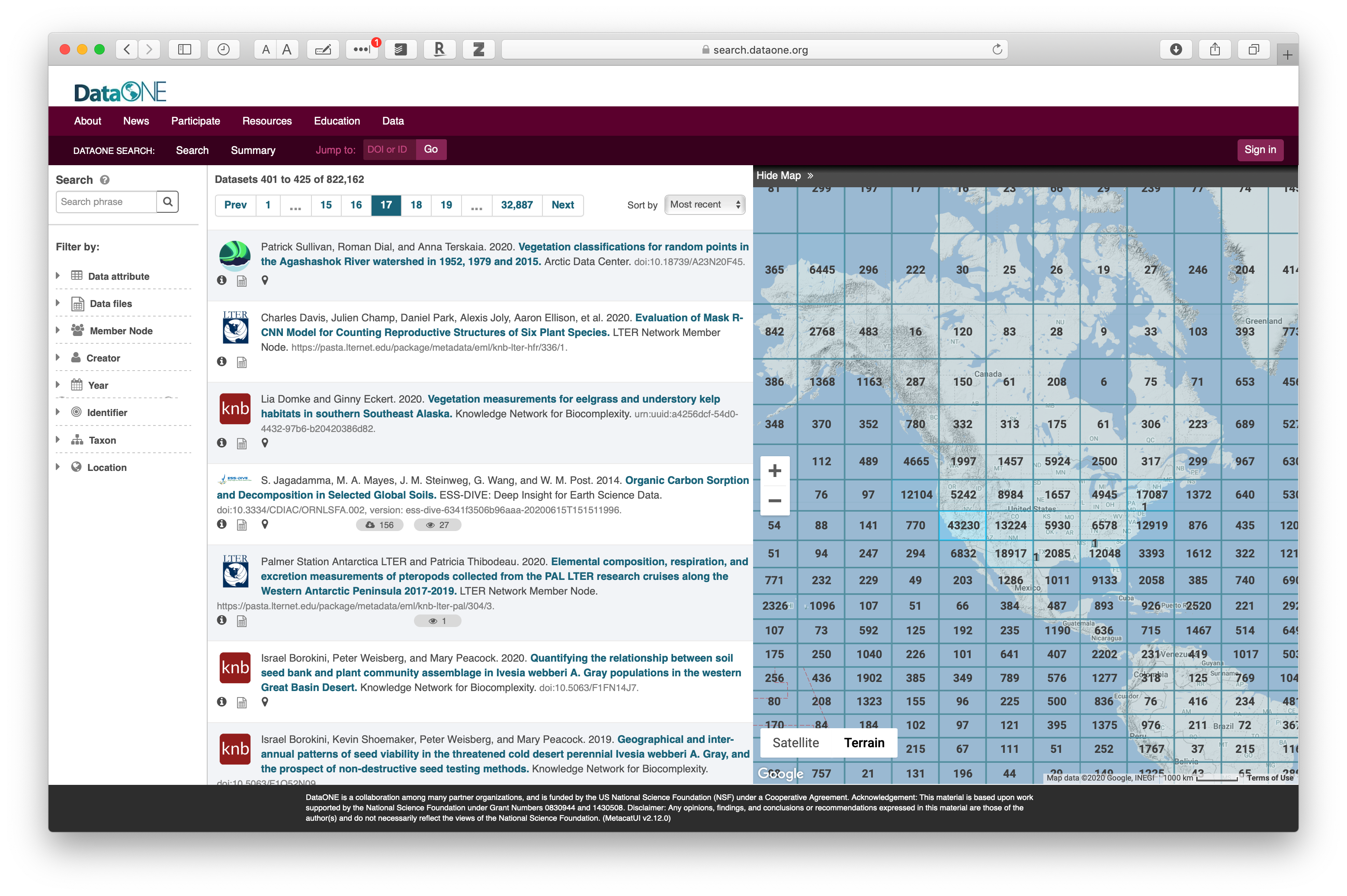
DataONE Search Goes Live
Launch of the new MetaCat search interface for search and discovery of DataONE available through the federated network.

DataONE Welcomes its First Australian Member Repository
DataONE welcomes the Terrestrial Ecosystem Research Network (TERN) as the first Member Repository in Australia and the 29th overall to join the federation.
Making Data Count
The California Digital Library, PLOS and DataONE are partnering on project to develop data-level metrics. Funded by an NSF EAGER grant, the project will result in a suite of metrics that track and measure data use.
NSF Funding renewed
Funding from the US National Science Foundation renewed through 2015.

LTER-Europe joins DataONE
LTER-EU joins DataONE as the first European and 20th repository in the network.
Member Repository Dashboard released
DataONE relases a new dashboard exposing real time information on current holdings across the DataONE network of repositories.
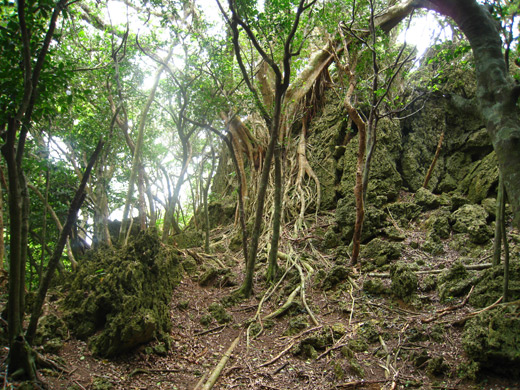
TFRI joins DataONE
The Taiwan Forestry Research Institute (TFRI) joins the DataONE network as the first repository in Asia.
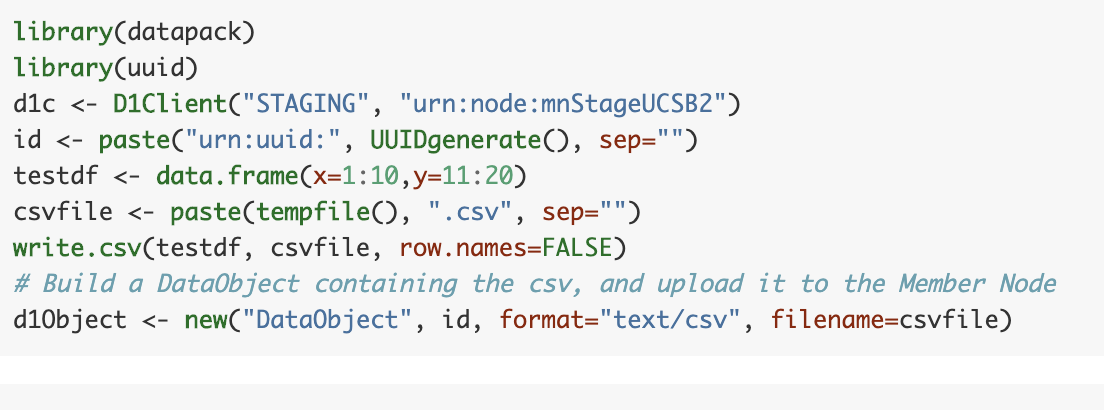
Release of DataONE R client
The DataONE R Client, a package for accessing open data in DataONE from within the R environment for statistical computing, is released.
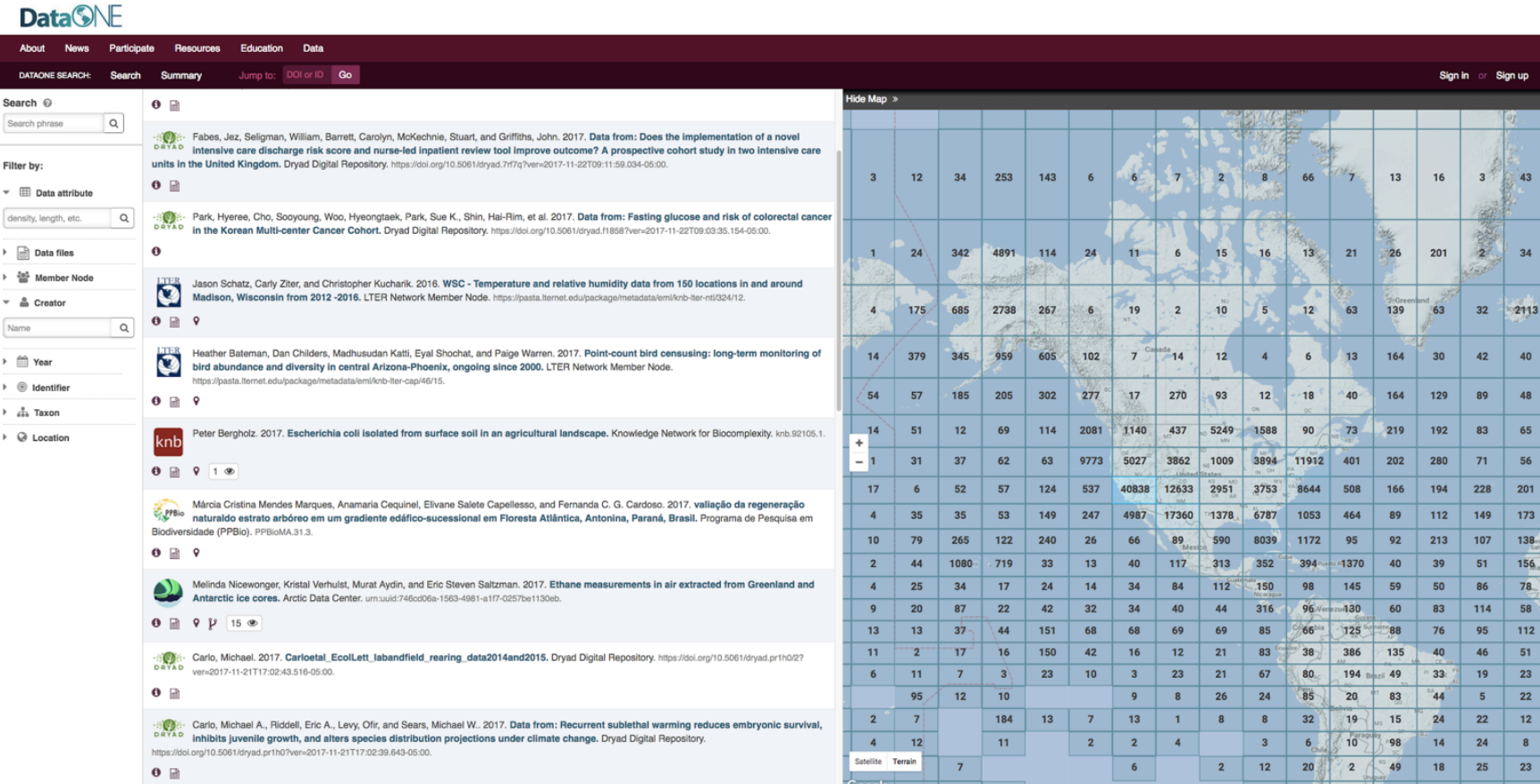
DataONE goes live
DataONE today released technology capable of providing researchers access to globally distributed, networked data from a single point of discovery.
DataONE releases learning modules
DataONE learning modules in support of data management training are made available online for widespread use.
Inaugural DataONE Users Group meeting
DataONE hosts its first Users Group Meeting in Chicago, IL following the International Digital Curation Conference.

DataONE funded as a part of the NSF DataNet program
DataONE, led by PI William Michener, was funded as one of two DataNet projects
Contribute
Help DataONE provide and maintain a distributed framework and sustainable infrastructure that meets the needs of science and society for open, persistent, robust, and secure access to well-described and easily discovered Earth observational data.